

The process was developed from TRL4 to TRL7. The feed rate in Steelhead trout by-products (50/50 heads/frames) were of 5-10 kg/h and 100-200 kg/h respectively.
1000 kg fish by-products provide 2 BBF’s: i) BBF-1, a major fraction of 263 kg of an organic solid BBF (97% DM, 9% N/DM), ii) BBF-2, a minor fraction 320 kg of a liquid organic BBF (5% DM, 11% N/DM). The agronomic efficiency was tested in pot trials without formulation and the solid BBF was selected for field trials. BBF-1 is high P available and medium N available and it conforms in terms of quality and safety assessment for organic fertilizer. BBF-2 is high N available even if not concentrated enough to be directly used as fertilizer.
In addition, the process generates about 80 kg of fish oil, rich in omega 3 (5.1% in EPA+DHA) and also in the red carotenoid astaxanthin (11 mg/kg) which makes it highly prized in the food and feed sectors.
To consider BBF-2 as: i) a liquid organic fertilizer or ii) a biostimulant rich in free amino-acids, it should respectively: i) be concentrated to reach a 40-50% DM content or ii) undergo an enzymatic batch hydrolysis followed by concentration and stabilization (acidification) steps.
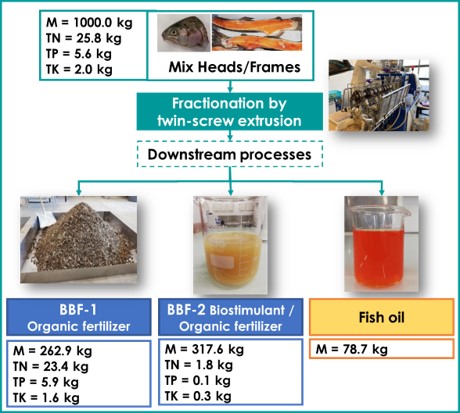
Figure 1: Overall mass distribution in the Atlantic biorefinery
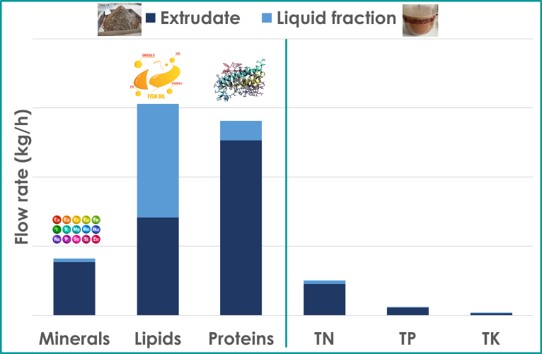
Figure 2: Mass balance distribution in the TMC processing unit