

Baltic Sea pilot develops bokashi fermentation technology, which is currently available for home users, into a community-scale biowaste recycling solution. It also combines this technology with vermicomposting and granulation. The aim is to achieve an economically viable model.
The technology aims to replace the conventionally used technology of regular composting, thus reducing GHG emissions and providing products with more active microbiology to enhance soil biology. The key features are use of single screw extruder for granulation instead of matrix method and solar-powered tumbler dryer as an environmentally friendly alternative. In addition, a 10 m3 mixing unit was selected to handle pre-granulation and pre-vermicomposting mass with capacity of 20 000L per month. Vermicomposting unit was enhanced by infrared lights to keep temperature warm with minimal cost and impact.
The following side-stream raw materials were selected for the production: fish waste (salmon scraps: heads, bones, collars, cheeks, spines and bellies); food waste from HORECA; tree leaves; wood burning ash. As a result, BBF-s foliar spray, bokashi granule, vermicompost and IP ferment have been produced.
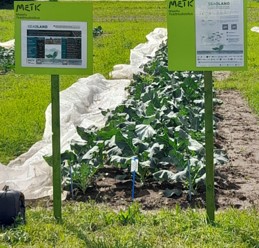
Figure 1: Field trial with granules
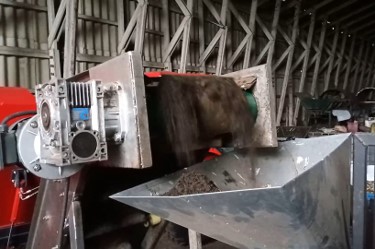
Figure 2: Mixing unit of the pilot plant